


How to make Omani incense: A comparison between homemade and store-bought versions

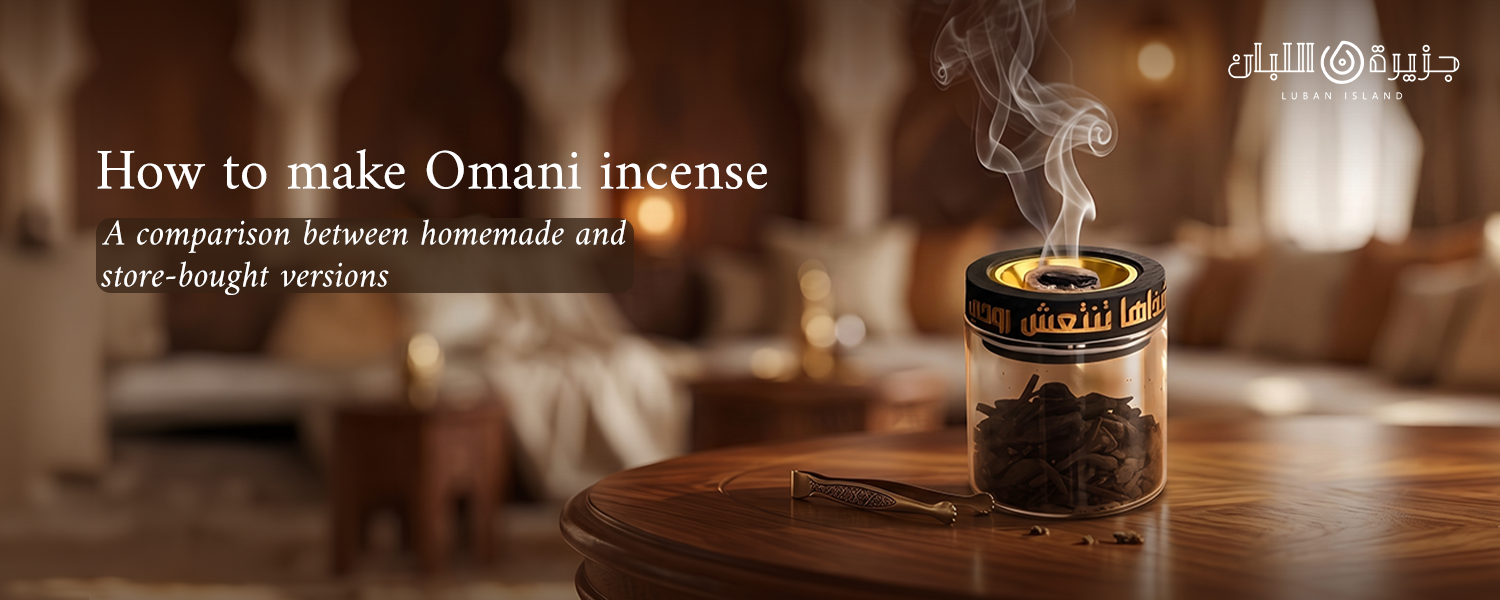
Oriental fragrances are an essential part of Arab identity, and Oman’s traditional incense blends hold a place of honor as a symbol of authenticity and welcome in every majlis. Many women and fragrance enthusiasts look for ways to make Omani incense at home instead of buying ready-made products, wanting to add a personal touch and explore its enchanting traditional ingredients. In the Sultanate of Oman, incense is a heritage passed down through generations, where the scents of the past blend with the beauty of the present to fill every space with calm and dignity.
In this guide, you will discover how to turn your home into a fragrant oasis filled with the finest scents, and learn the key differences in cost, effort, and control over ingredient quality, so you can choose the option that best suits your everyday needs and your special occasions. We will guide you step by step toward aromatic excellence in the world of luxury fragrance.
The Secrets of Making Omani Incense at Home
Aging: The Key to Longevity and Diffusion
Crafting incense the Omani way is not just about mixing ingredients; the biggest secret lies in the aging stage. Store your finished incense in airtight, light-resistant glass jars for one to three months, so the aromatic oils can fully blend with the wood and resin.
Choosing Your Raw Materials Carefully
The craft requires great care in selecting the woods, resins, and oils. Quality is the cornerstone of the whole process, so use natural incense ingredients to ensure a pure, long-lasting scent.
The core ingredients include:
- Finely ground oud wood.
- Frankincense resin.
- Concentrated aromatic oils.
- Natural fixatives such as musk and rose.
Step-by-Step: How to Make Traditional Omani Incense
Making incense at home is an enjoyable and rewarding process for anyone with passion and patience. Here are the essential steps for a luxurious blend:
- Prepare the core ingredients: Grind pure Omani Hojari frankincense into a fine powder, and sift the sandalwood and oud to remove large particles for an even, uniform mix.
- Make the binding base: Dissolve sugar in a suitable amount of warm water until it forms a thick syrup that acts as a natural glue, binding the dry ingredients and making them easy to shape.
- Combine the dry ingredients: Mix the dry ingredients together, then gradually add the liquid Omani incense ingredients for a balanced blend rich with Eastern notes and aromatic oils.
- Knead and shape: Knead the mixture well until it reaches a firm, dough-like consistency. Shape it into small discs or flat aromatic balls, or leave it as a moist powder ready for immediate use.
- Dry and store: Leave the pieces in a well-ventilated place away from direct sunlight for several days before aging and storing them, to prevent moisture and mold from forming inside.
Homemade vs. Store-Bought Omani Incense: A Quality Comparison
Many people want to know the real differences between incense made by hand and the products sold in stores. Here is a comparison of the key points:
Full Control Over Ingredient Quality
When you make incense at home, you can be sure of the quality and purity of the aromatic oils and avoid harmful chemical additives, while commercial products may sometimes contain diluted oils to cut costs.
Customization to Your Personal Taste
Homemade incense lets you create a bespoke Omani incense that matches your preferences exactly, blending your favorite fragrances in unique proportions that suit your refined taste and lifestyle.
Convenience and Speed
The drawback of homemade incense is the long aging period, while ready-made options such as the best types of Omani incense available in stores can be used immediately for last-minute occasions with no effort.
A Wide Variety of Ready-Made Options
Omani stores offer a wide range of ready-made blends, such as Sultan incense, known for its warm aroma; Qatra incense, a favorite for light everyday use; and Kunooz incense, rich with the scent of authentic heritage.
Market Prices at a Glance
A look at the market shows that types of incense and their prices vary widely depending on the quality of the raw materials, Some everyday products are inexpensive, while premium ready-made blends such as Cake incense call for a higher budget.
Expert Tips for Making Omani Incense
Drawing on the experience of professional incense makers, here are practical tips to help you avoid common mistakes and create a product that rivals the finest fragrance brands:
- Don’t overdo the aromatic oils: Some beginners believe more fragrance means stronger diffusion, but too much oil makes the incense damp and hard to burn.
- Test small batches first: Before mixing large quantities of precious ingredients, make a small 10-gram sample and test it on the coal to judge the scent and how well the ingredients work together.
- Use gentle coals to evaluate the scent: To judge the aroma properly, place the incense on a coal covered with a thin layer of ash, so it burns very slowly and releases all its aromatic notes.
Offering your guests luxury Arab hospitality incense sets you apart instantly; natural Hojari frankincense blended with a few drops of fine oud oil creates a truly welcoming scent, Learning to make Omani incense opens the door to endless creativity and lets you design fragrances that express your unique identity and the charm of your home.
Frequently Asked Questions
What makes famous Omani incense blends such as Salalah, Raysut, and Rooh Al Hayat so special?
These blends stand out for their generous proportions of fine frankincense. Raysut incense is known for its powerful diffusion, while Rooh Al Hayat incense is loved for its calm, warm notes, and Salalah incense reflects the classic character of Dhofar’s frankincense heritage.
How can you make sure your homemade incense turns out well with natural ingredients?
Success comes from following precise ingredient ratios, aging the mixture long enough in a dark place, and choosing high-quality gum arabic or binding base.
Why do many people prefer Khanjar incense and Omani frankincense for Arab hospitality, and how much does authentic Khanjar incense cost?
This blend is favored for its remarkable ability to perfume large spaces with a majestic scent. Omani Khanjar incense prices depend on the purity of the frankincense resin and the quality of the oils added.
Conclusion
In the end, learning to make Omani incense is more than an ordinary hobby; it is an artistic and cultural journey that connects us to an Arab heritage of fragrance craftsmanship spanning centuries. Whether you choose to make your own and enjoy perfecting every detail of your blends, or prefer ready-made products to save time and effort, the result is the same: warmth, joy, and welcome throughout your home. The real secret always lies in your passion for beautiful scents and in choosing the finest frankincense and pure aromatic oils that reflect your refined taste and add a regal touch with Luban Island to your happiest occasions. Wishing you a joyful and successful fragrance journey.


